
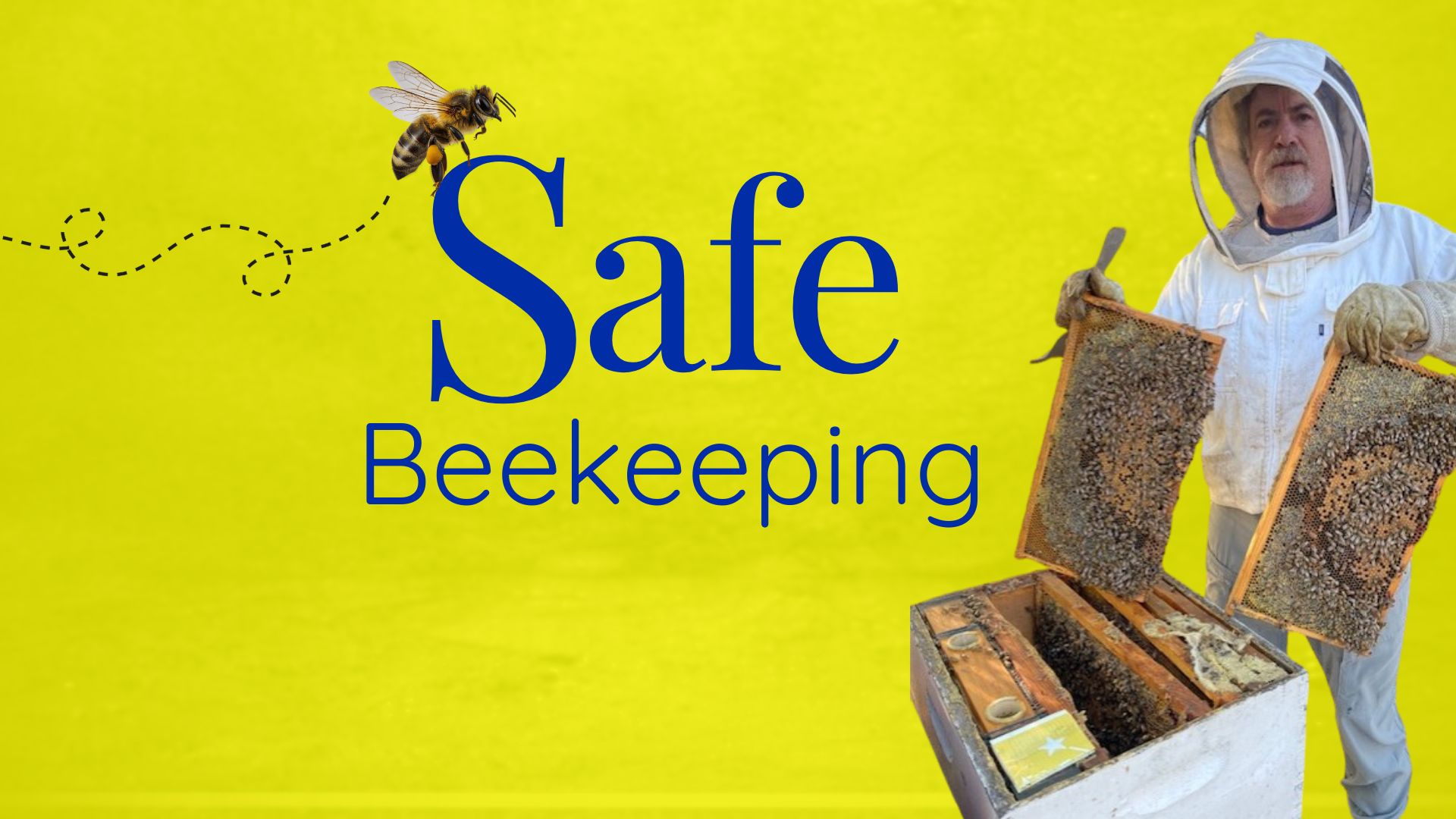
Beekeeping is more than harvesting honey. It is a long-term commitment to supporting pollinators, strengthening local ecosystems, and responsibly managing a living colony. When done properly, beekeeping can provide natural honey, improve garden productivity, and contribute to environmental sustainability.
Successful beekeeping depends on preparation, safe hive placement, healthy bees, calm management, and ongoing learning. This guide from Hunter’s Honey Farm will walk you through the essential steps to begin with confidence.
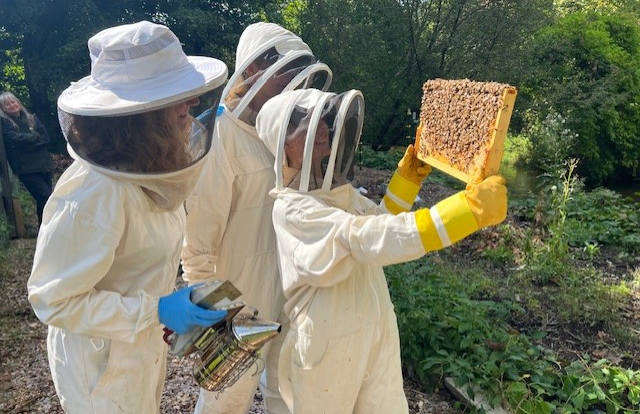
Beekeeping is not just about collecting honey. You are caring for thousands of living insects that rely on consistent management and protection.
Healthy colonies require:
Before installing a hive, check local regulations in your city or county. Some areas have rules regarding hive placement, colony limits, and distances from neighboring properties.
Joining a local beekeeping association is also highly recommended. Mentorship shortens the learning curve and improves colony survival rates.
Most importantly, evaluate your time. Bees do not require daily care, but they do require routine inspections, especially during your first year.
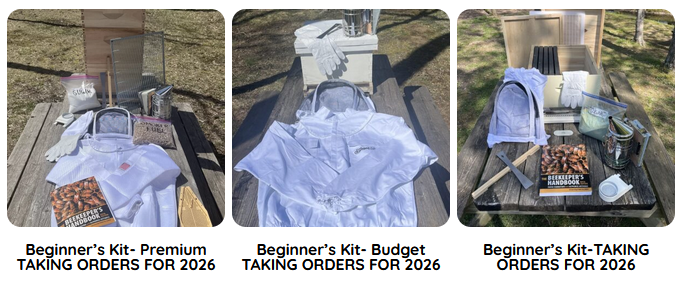
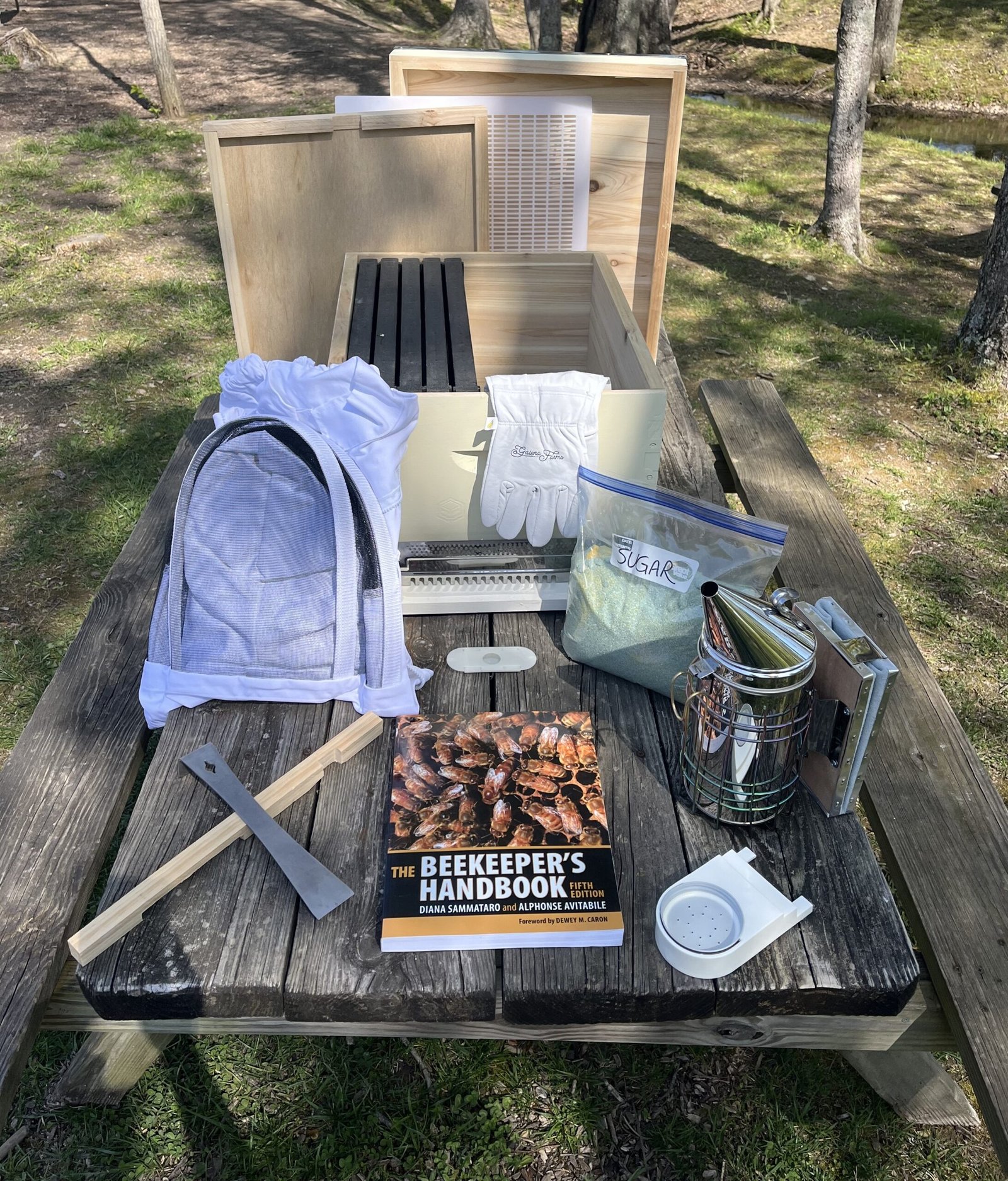
The most common hive for beginners is the Langstroth hive. In addition to the hive boxes and frames, you will need:
Protective equipment is especially important for beginners. A veil protects your face and neck, and gloves provide confidence while learning to handle frames.
A smoker helps calm bees during inspections by masking alarm pheromones. Investing in durable, quality equipment ensures safety and long-term reliability.
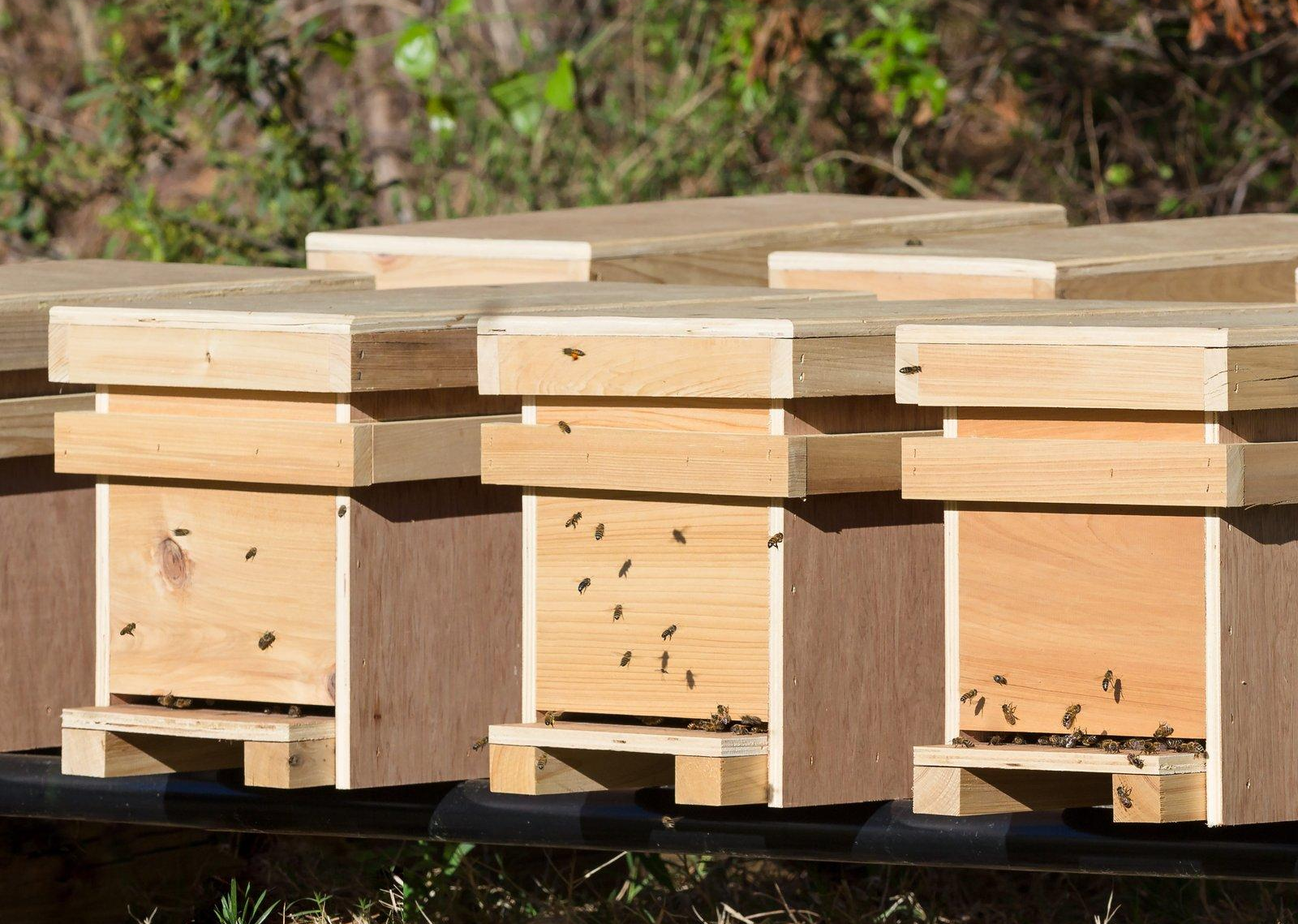
Starting with healthy bees and a well-prepared setup dramatically improves success rates.
Hunter’s Honey Farm offers beginner-friendly bee packages designed for new beekeepers who want climate-adapted, responsibly raised bees.
Premium Beginner’s Kit (Taking Orders for 2025)
A comprehensive option designed for beekeepers who want to start strong with quality bees and dependable setup guidance.
https://huntershoneyfarm.com/product/beginners-kit-premium-taking-orders-for-2025/
Budget Beginner’s Kit (Taking Orders for 2025)
An affordable entry point that still prioritizes healthy bees and sustainable practices.
https://huntershoneyfarm.com/product/beginners-kit-budget-taking-orders-for-2025/
Both options help eliminate guesswork and provide a clear path for new beekeepers entering their first season.
You can explore all available bee options here:
https://huntershoneyfarm.com/product-category/bees/
Hive placement significantly impacts colony health and productivity.
Select a location that:
Bees also need access to a clean water source nearby. A calm and stable environment reduces stress and lowers defensive behavior.
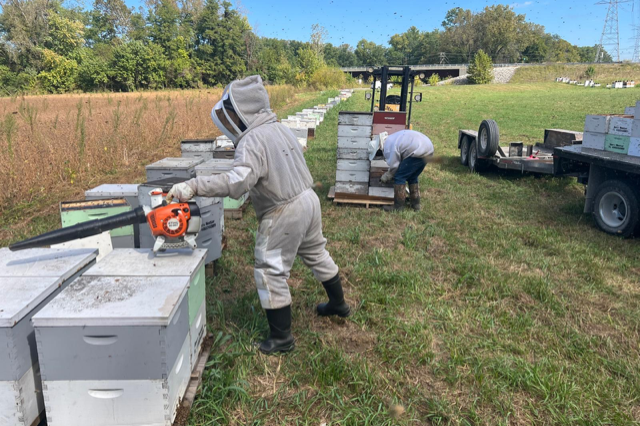
Where you obtain your bees matters. Because purchasing bees is an important decision, Hunter’s Honey Farm takes all bee orders by phone. This allows us to walk you through the process, answer questions, and make sure you feel fully confident and prepared for a successful start.
Please call (765)537-9430
Always purchase from a reputable supplier who provides disease-free, well-managed colonies. Locally raised bees adapt better to regional climate patterns and seasonal forage conditions.
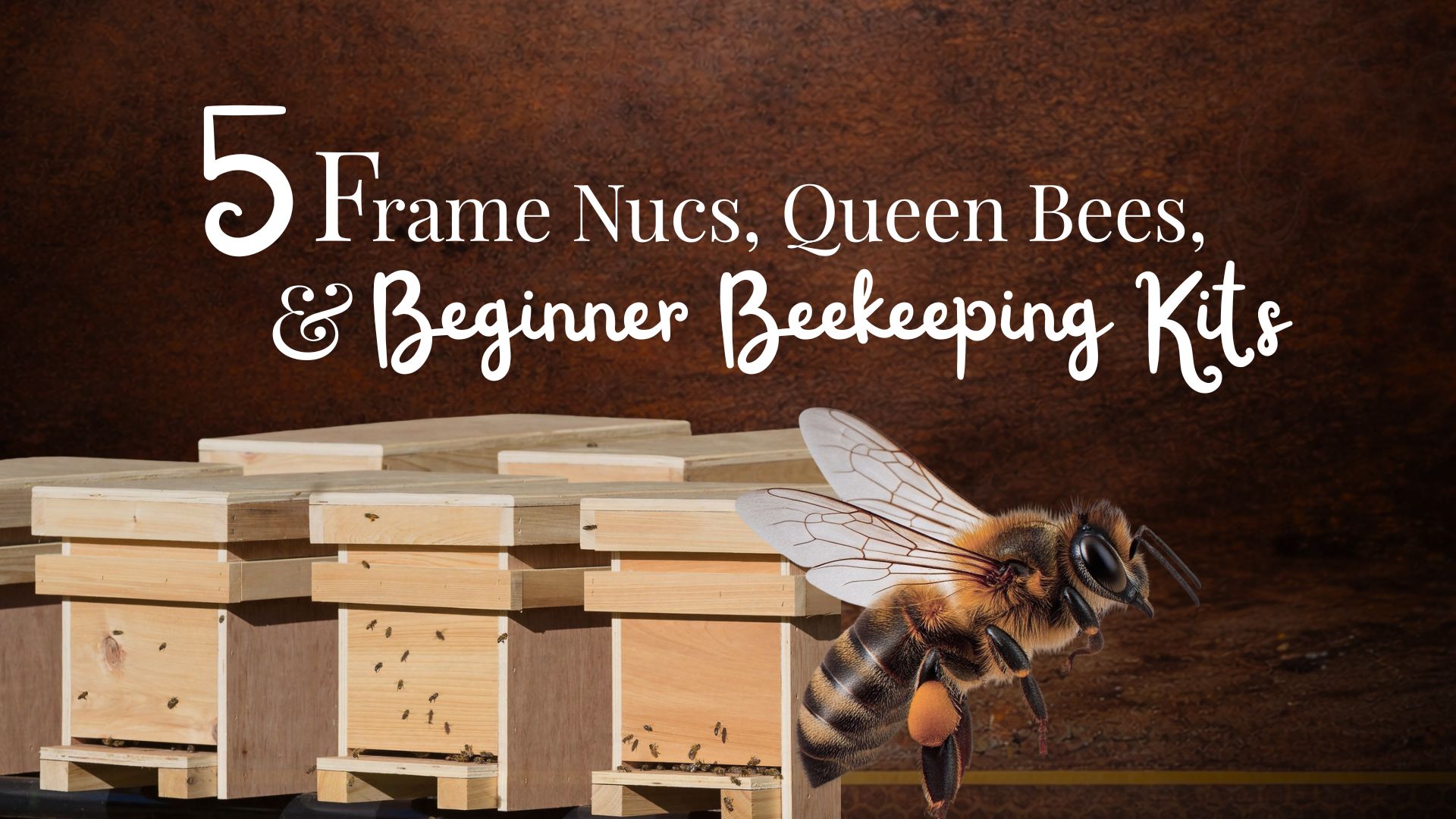
Hunter’s Honey Farm offers several options depending on your goals:
Nucleus Colonies (Nucs)
A strong option for beginners who want an already established colony with a laying queen and brood.
https://huntershoneyfarm.com/product/nucs-not-available-to-ship/
Queen Bees for Sale
Ideal for requeening, strengthening existing colonies, or starting new hives.
https://huntershoneyfarm.com/product/queen-bee-for-sale/
Package Bees
Available seasonally. Contact for details regarding pickup and availability.
https://huntershoneyfarm.com/product/call-for-details-not-available-to-ship/
Purchasing healthy bees from a trusted source is one of the most important decisions you will make as a new beekeeper.
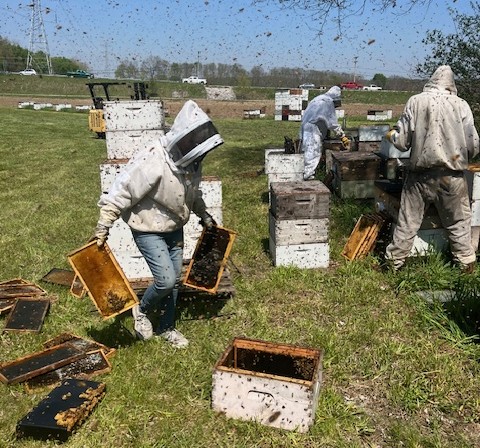
Routine inspections are critical for maintaining colony health.
During inspections, check for:
Move slowly and deliberately. Avoid crushing bees when replacing frames, as this can trigger defensive responses.
During active seasons, inspect hives every 7 to 10 days. In colder months, minimize disturbance to preserve internal hive temperature.
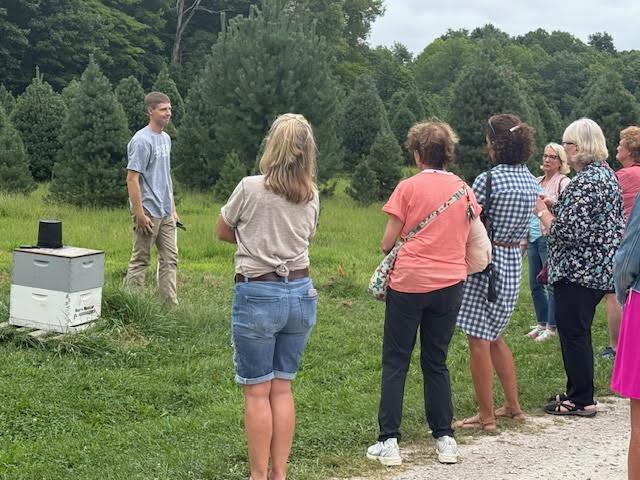
Bees thrive on natural nectar and pollen. Supplemental feeding may be necessary during early spring or nectar shortages, but excessive feeding can reduce natural foraging behavior.
Planting pollinator-friendly flowers, herbs, and flowering trees supports both your hive and other beneficial insects.
It is tempting to harvest honey quickly, but patience is essential.
In the first year, many beekeepers choose to allow the colony to build strength and reserves rather than harvest aggressively.
When harvesting:
Responsible harvesting ensures the colony remains productive for years.
Beekeeping responsibilities shift with the seasons.
Spring | Rapid colony growth and expansion require frequent inspections.
Summer | Focus on honey production and managing heat.
Fall | Assess food stores and monitor mite levels.
Winter | Minimize disturbance and monitor food reserves.
Understanding seasonal rhythms is essential for long-term colony survival.
Whether you are installing your first hive, purchasing a nucleus colony, or replacing a queen, beginning with healthy, locally adapted bees makes all the difference.
Hunter’s Honey Farm provides:
Browse all available bee products here:
For questions about seasonal availability, pickup details, or choosing the right option, contact Hunter’s Honey Farm directly for guidance.
Healthy bees. Responsible management. Stronger ecosystems.