
Introduction: Bee Pollen at a Glance
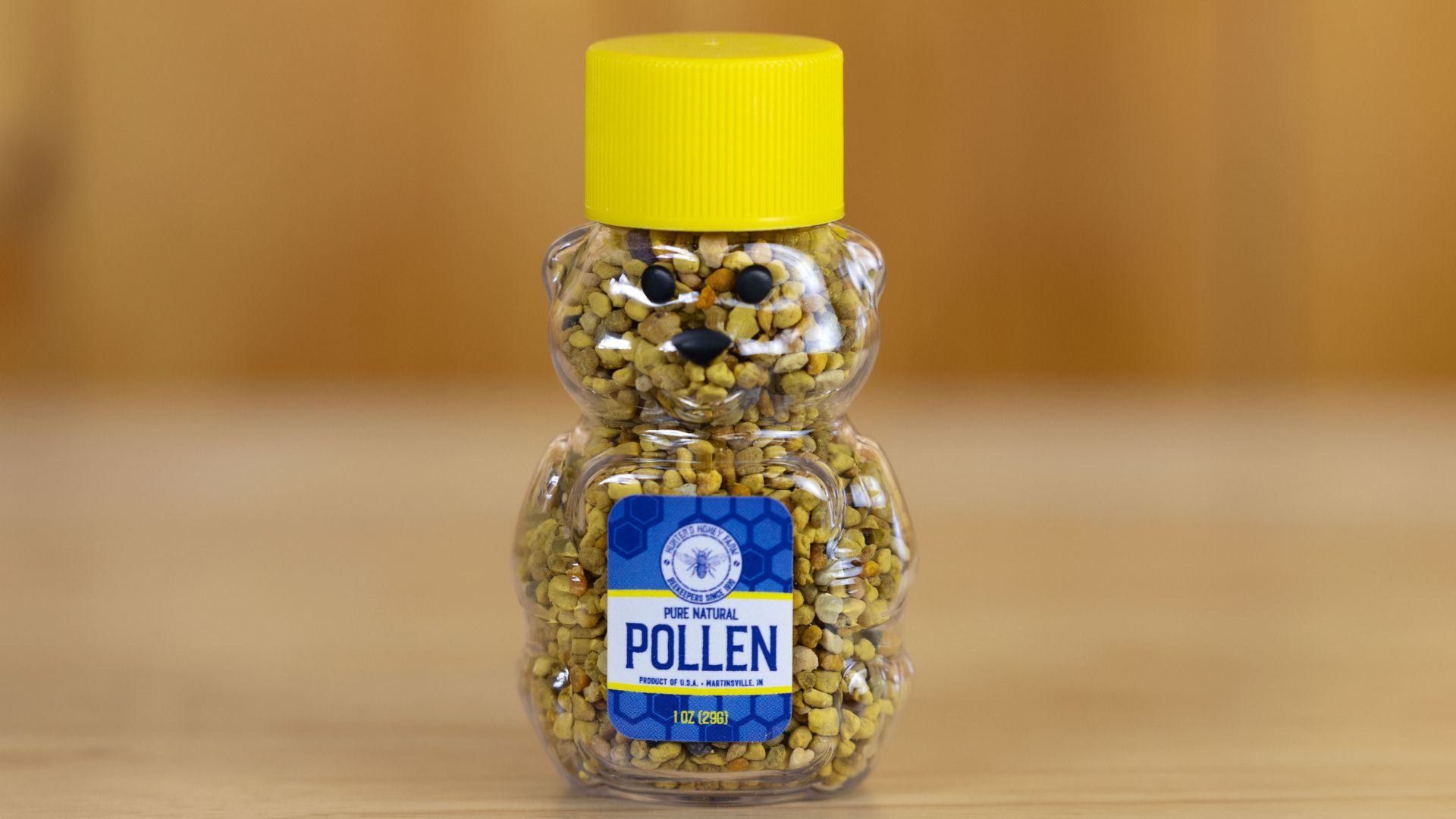
Bee pollen is a natural substance collected by honey bees from flowering plants. It’s a combination of flower pollen, nectar, and bee secretions packed into tiny granules. These granules serve as a primary food source for the hive, providing essential nutrients for growing larvae and maintaining colony health.
At Hunter’s Honey Farm, we’ve observed how the origin of the flowers, the season, and even the weather affect the pollen bees bring home. Every batch tells a story about the flowers and landscapes of our farm.
Honey bees are expert foragers. They collect pollen from flowers using their legs, mixing it with nectar and enzymes from their saliva to form small granules called bee pollen pellets. Once stored in the hive, the pollen ferments into bee bread, which provides essential nutrients for the colony (UF/IFAS | Bee Nutrition).
Understanding this process helps us appreciate the care and complexity behind each granule of pollen harvested at Hunter’s Honey Farm.
Bee pollen contains a variety of nutrients, which can vary depending on the plants bees visit:
Each batch of pollen is unique. The colors, textures, and nutrient composition reflect the diversity of the flowers in bloom.

Not all bee pollen looks the same. Differences in botanical sources result in varying colors, sizes, and flavors (Oxford Academic | Nutritional Variation). For example, pollen collected from wildflowers may appear golden or amber, while pollen from clover may be pale yellow. At Hunter’s Honey Farm, we celebrate this natural diversity and each batch tells the story of our local flora.
How Bee Pollen Supports the Hive
Pollen is the foundation of hive health. Diverse pollen sources provide the nutrients necessary for:
By focusing on high-quality, varied pollen, we ensure our bees thrive naturally, creating a sustainable ecosystem.
While this blog focuses on the educational aspects of bee pollen, many people enjoy it as a natural food product. Bee pollen can be added to smoothies, yogurt, or oatmeal, offering a flavorful, colorful addition to your meals. At Hunter’s Honey Farm, we carefully package and store pollen to preserve its freshness, color, and aroma.
Note: This article is for educational purposes and does not make health claims. Always consult a healthcare professional for personalized advice.
The process of pollen collection by honey bees is a fascinating example of how static electricity plays a crucial role in pollination. As a bee flies through the air, it generates a positive electrostatic charge due to friction with air particles. This charge is more pronounced on the bee’s body, which is positively charged, while flowers typically have a negative charge. The attraction between these charges allows pollen grains to “leap” onto the bee without direct contact, enhancing adherence to the bee’s body hairs. This process is not only efficient but also allows bees to assess floral rewards and determine which flowers are worth visiting.
Q: How do I store bee pollen?
A: Keep it in a cool, dry place, ideally in the refrigerator to maintain freshness.
Q: Why is bee pollen sometimes different colors?
A: Colors reflect the variety of flowers bees forage from, each with unique nutrients and pigments.
Q: What is the difference between bee pollen, honey, and propolis?
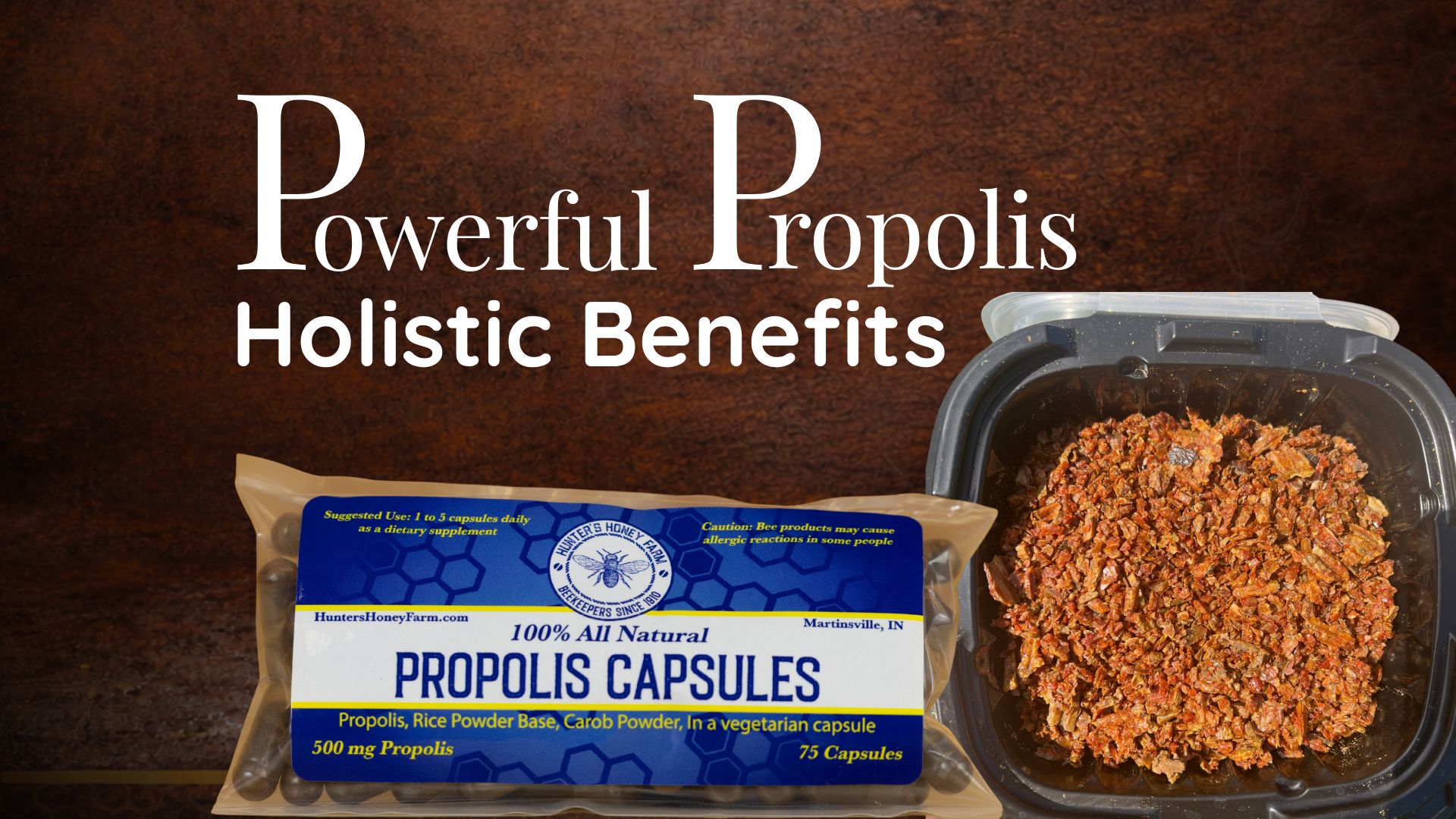
A: Honey is nectar processed by bees, propolis or “Bee Glue” is a resin collected from trees, plant saps and buds. Bees mix this resin with beeswax and enzymes to seal, protect, and sterilize their hives. This acts as the colony’s natural antiseptic against viruses, bascteria and fungi. Bee pollen is flower pollen collected and packed by bees.
Takeaways
External backlinks for trust and credibility: