
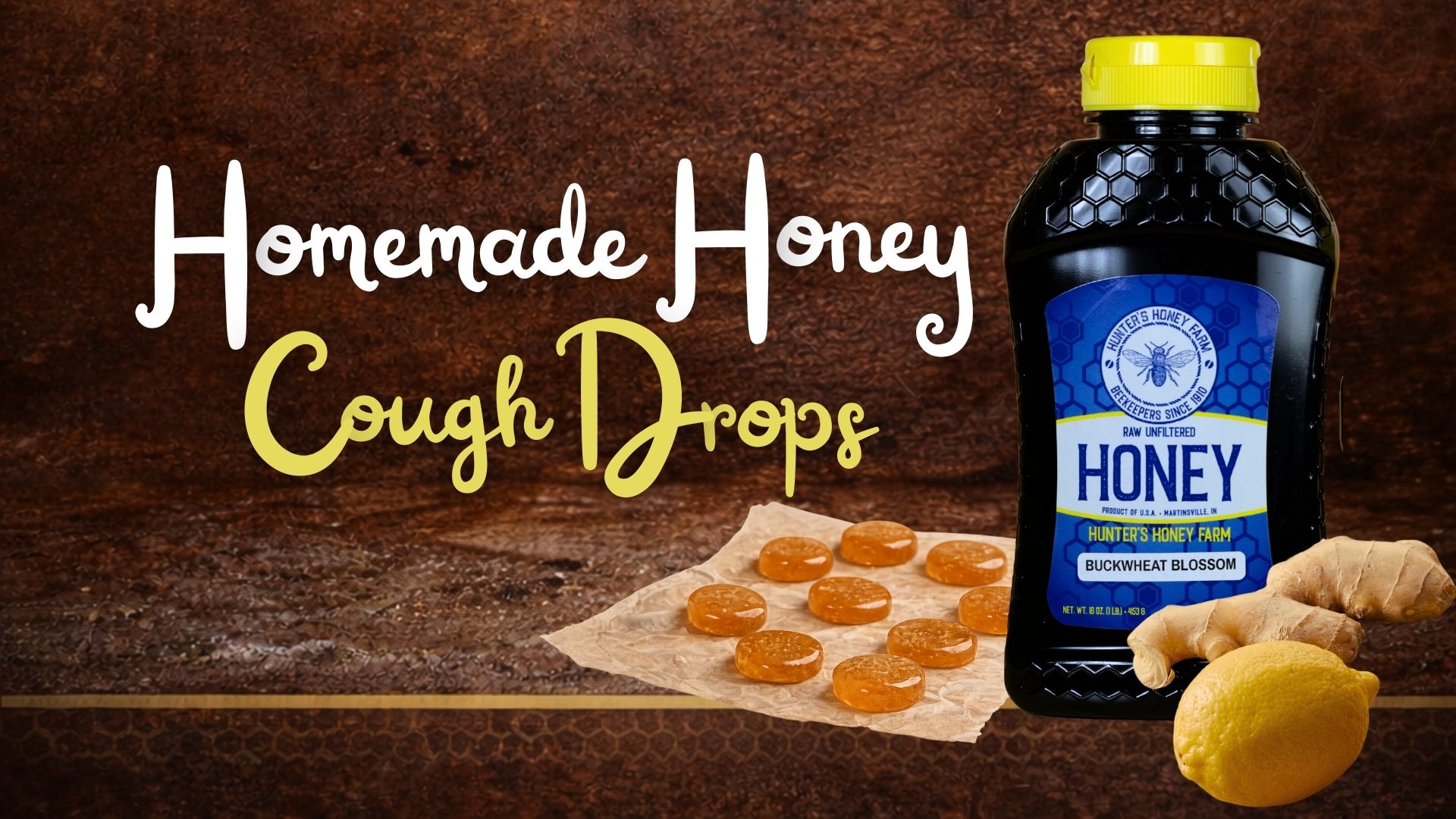
Cold season often brings dry air, scratchy throats, and persistent coughing. As the weather turns cooler, many people naturally reach for warm drinks and traditional kitchen recipes that offer comfort and familiarity.
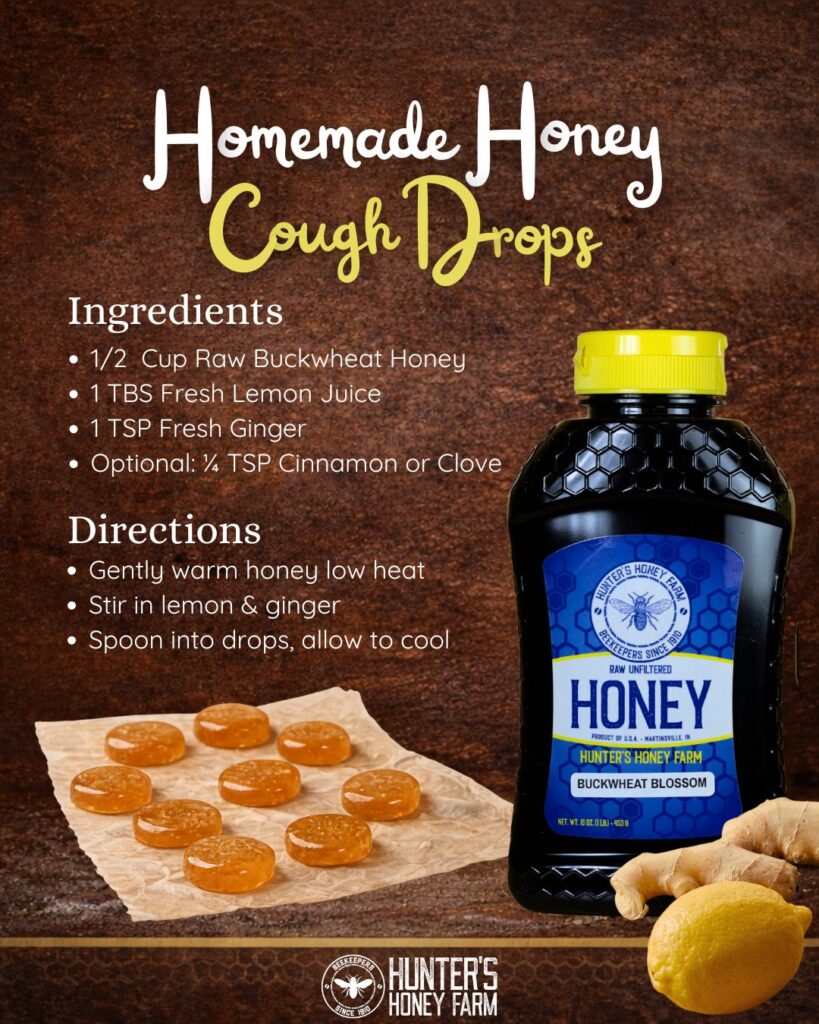
Honey has been used for centuries as a staple ingredient during colder months, especially in recipes meant to soothe the throat. One simple and popular option is making homemade honey cough drops using raw buckwheat honey, lemon, and ginger.
These homemade drops are enjoyed for their flavor and comforting qualities and fit easily into a cold-season routine.
Honey’s role in cold-season recipes is rooted in both tradition and research. Several medical reviews have examined honey in relation to cough symptoms.
A systematic review published in BMJ Evidence-Based Medicine analyzed multiple clinical trials and found that honey was associated with improvements in cough frequency and severity when compared with usual care, such as fluids or no treatment. The review focused on symptom comfort rather than cure, helping explain why honey continues to be widely used during cough season.
The Mayo Clinic also notes that several studies suggest honey may help calm coughs in adults and children over one year of age. These findings support why honey remains a common ingredient in homemade throat-comfort recipes.
Buckwheat honey is a dark, full-bodied honey with a rich, molasses-like flavor. Compared to lighter varieties, darker honeys like buckwheat naturally contain higher levels of antioxidants and have a thicker texture.
From a practical standpoint, buckwheat honey is especially well-suited for homemade cough drops because:
These characteristics make buckwheat honey a popular choice in winter recipes, especially those meant to be enjoyed slowly.
These homemade honey cough drops are enjoyed for comfort and flavor and are not intended to diagnose or treat illness.
Once cooled, the drops can be stored in an airtight container and enjoyed as part of your cold-season routine.
Honey’s appeal during cough season may be partly explained by its viscous texture, which allows it to coat the throat as it dissolves. Researchers have suggested this coating effect as one possible reason people often experience temporary comfort after consuming honey.
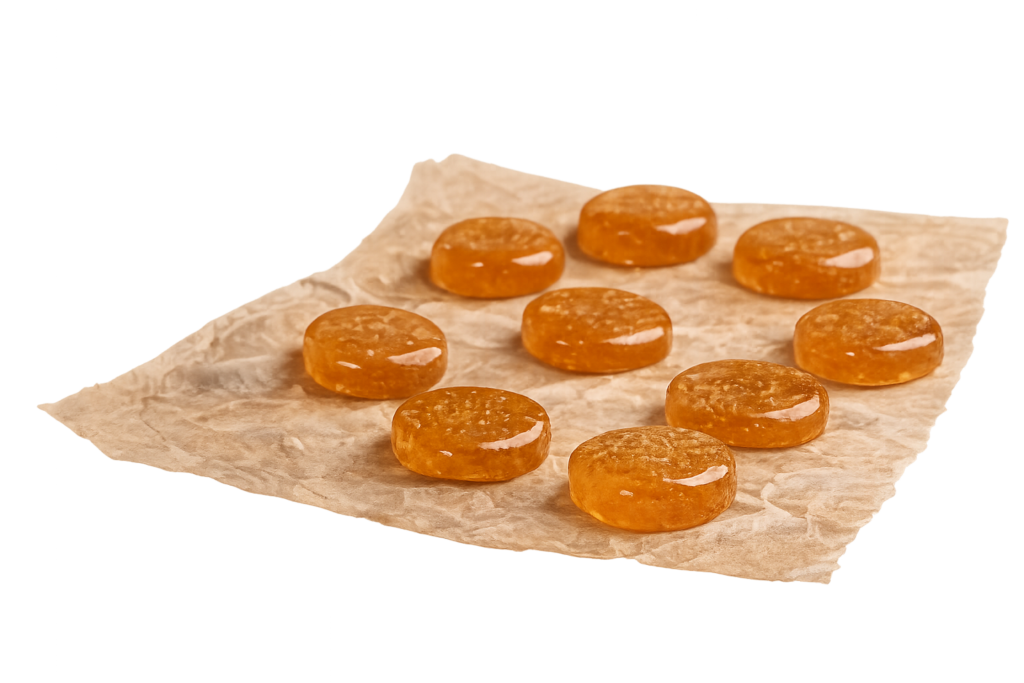
Homemade cough drops are especially popular because they:
Many honey lovers gravitate toward darker honeys like buckwheat during seasonal changes. Its strong flavor makes it especially popular in warm drinks, baked goods, and homemade recipes when lighter honeys can be overwhelmed by richer winter ingredients.
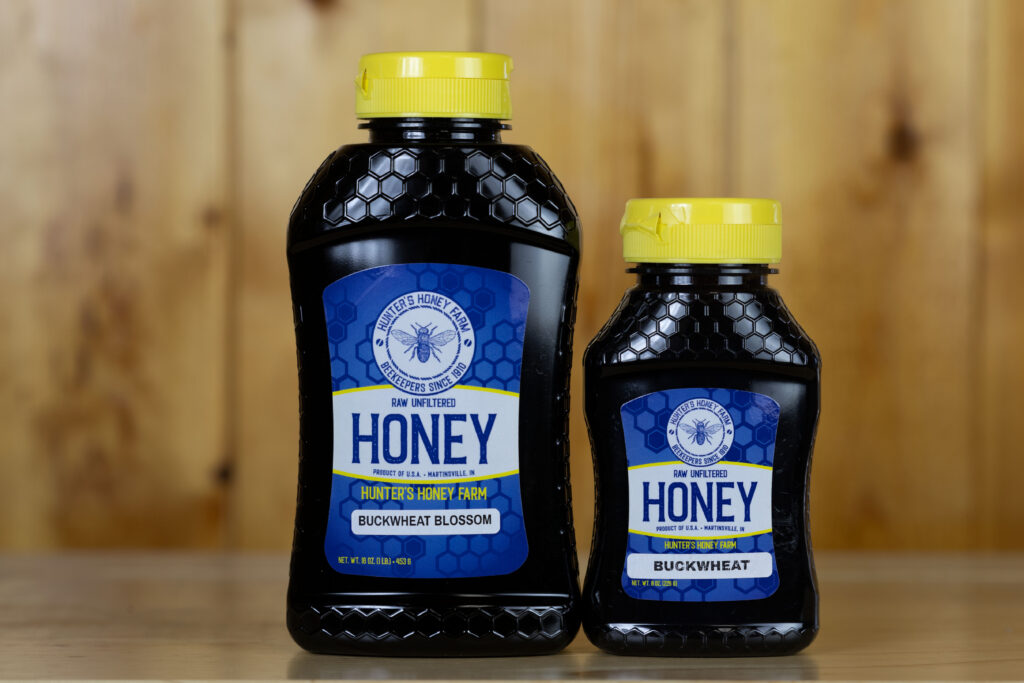
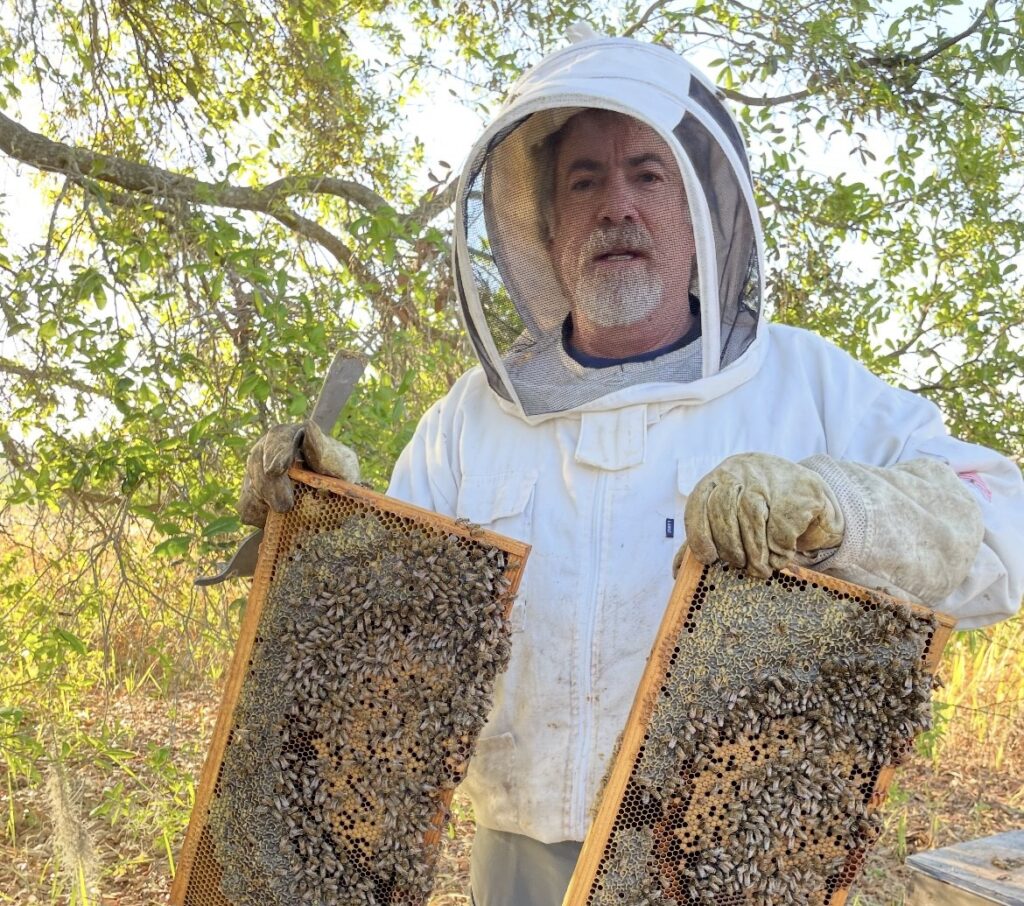
Hunter’s Honey Farm produces raw, unfiltered buckwheat honey in Martinsville, Indiana, harvested in small batches to preserve its natural flavor and character.
Its bold taste, rich color, and thick consistency make it an excellent choice for:
When using honey in recipes meant for comfort and flavor, starting with a high-quality raw honey makes a noticeable difference.
These statements have not been evaluated by the FDA. This content is for informational purposes only and is not intended to diagnose, treat, cure, or prevent any disease. Honey should not be given to infants under 12 months of age.