
As more people pay attention to where their food comes from, how it’s produced, and what goes into it, raw honey has earned a well-deserved place in kitchens across America. But with so many different honey products on store shelves and online, understanding what you’re actually buying can sometimes be confusing.
At Hunter’s Honey Farm, honey has been part of our family story for generations. Here’s what we think everyone should know about raw honey.
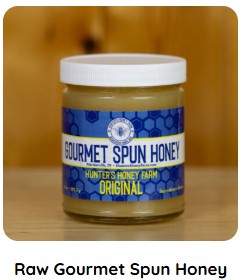

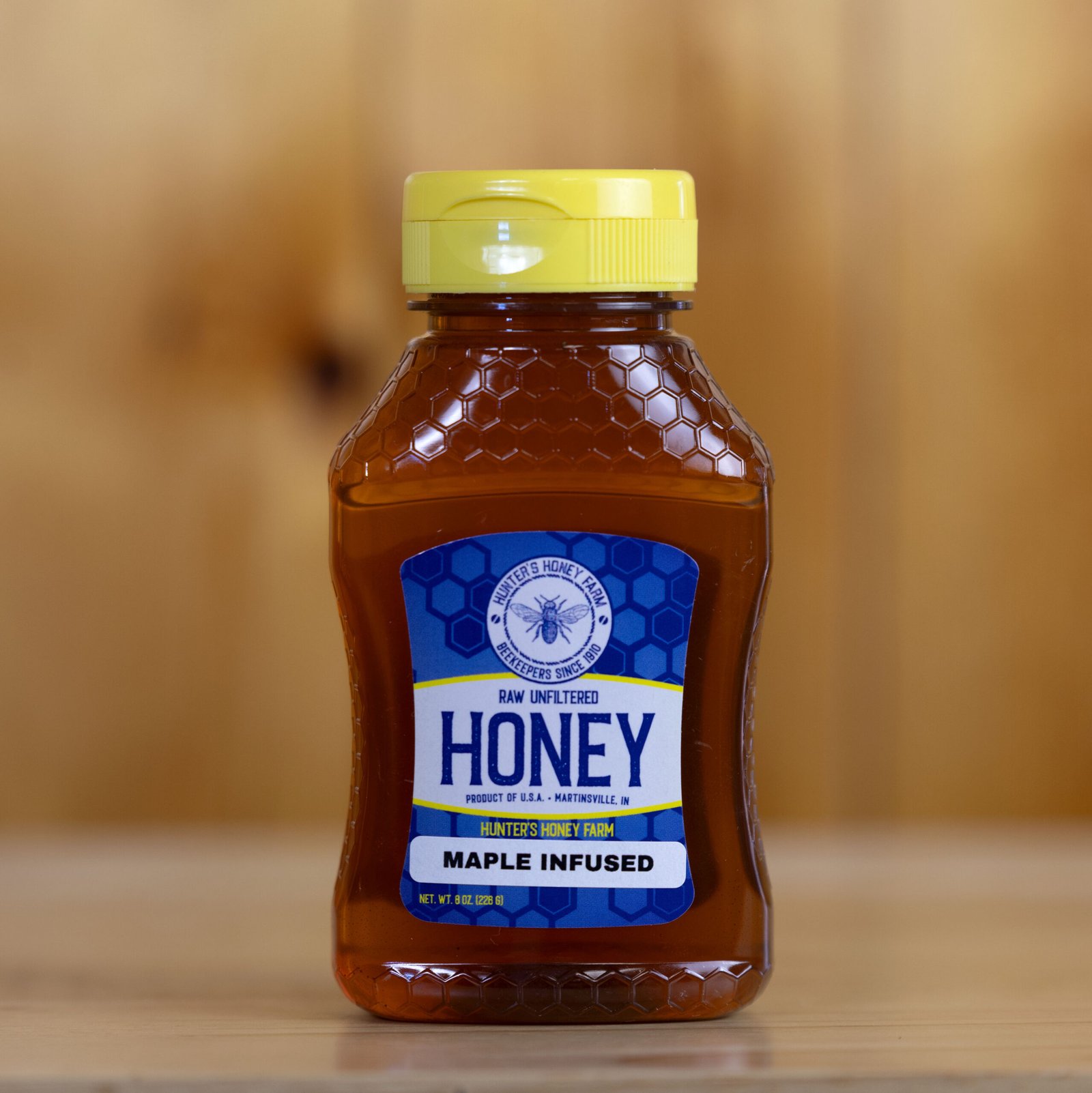
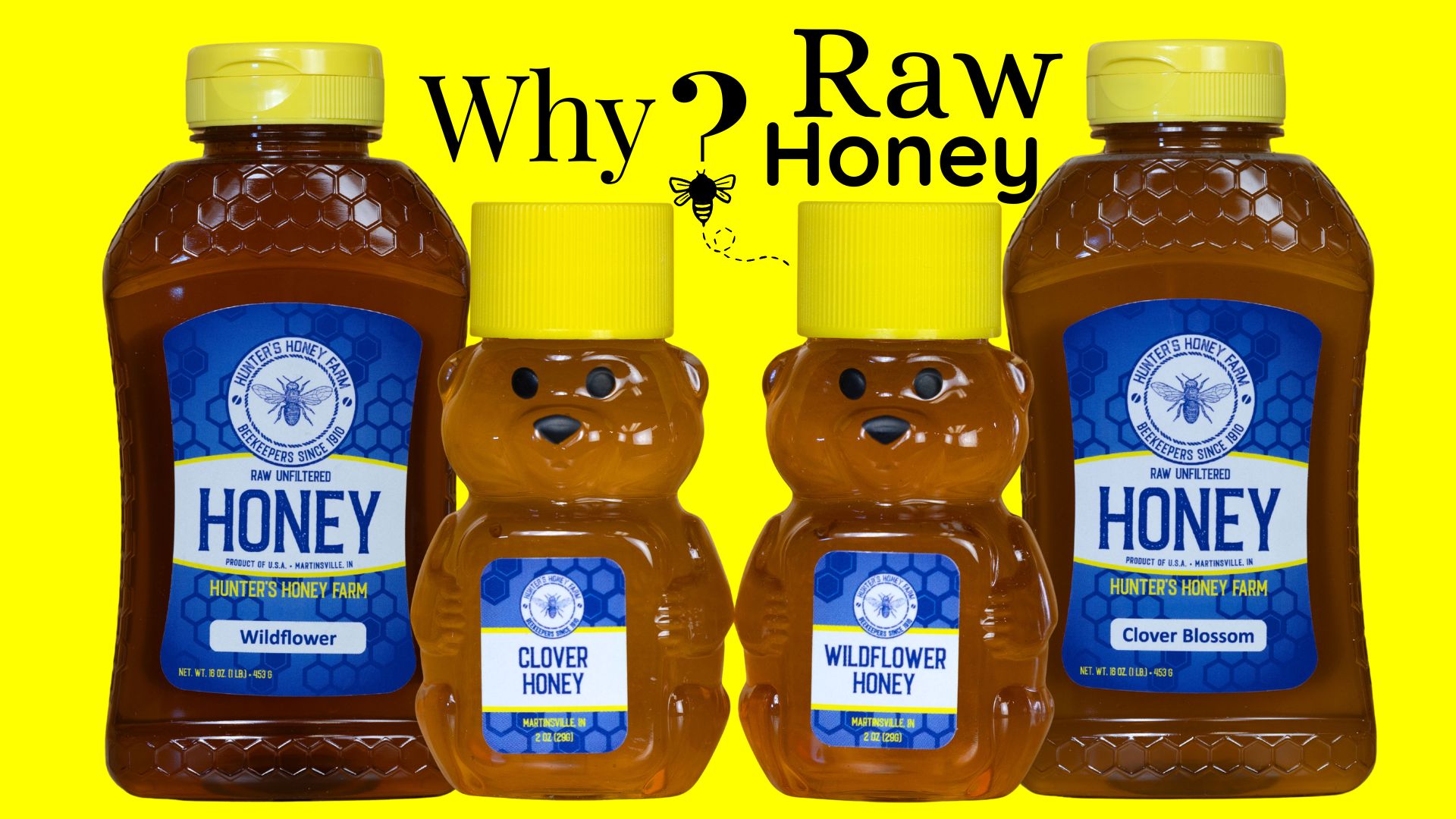
Raw honey is generally honey that has been kept closer to the state in which it exists in the hive, with minimal processing before it reaches the jar. More specially, RAW honey has not been filtered or pasteurized.
Unlike highly processed honey products, raw honey may retain more of the naturally occurring components associated with honey. But there’s another important distinction consumers should understand: pure honey should actually be honey.
The U.S. Food and Drug Administration provides specific guidance for how honey and products containing honey should be labeled. According to the FDA: “If a food contains only honey, the food must be named ‘honey.’”
The FDA also explains that because honey is a single-ingredient food, an ingredient statement is not required on the label. However, if another sweetener such as sugar or corn syrup is mixed with honey, the FDA says the resulting product cannot simply be labeled “honey.”
Read the FDA’s Guidance on Proper Labeling of Honey and Honey Products
For consumers, that’s a good reminder that it pays to know what you’re buying and, whenever possible, know your beekeeper.
Honey is primarily made up of natural sugars, but its chemical composition is considerably more complex than sweetness alone.
“The antioxidant properties of the raw honey samples, extracts and digests were evaluated against different radicals. The study found measurable antioxidant activity among the raw honey samples, with results varying among the different honeys tested.” – PubMed Central
Explore the Raw Honey Research Through PubMed Central
That’s an important distinction. Honey is a natural agricultural product, and not every honey is chemically identical.
If you’ve tried several varieties of honey, you’ve probably already discovered something interesting:
Honey doesn’t all taste the same.
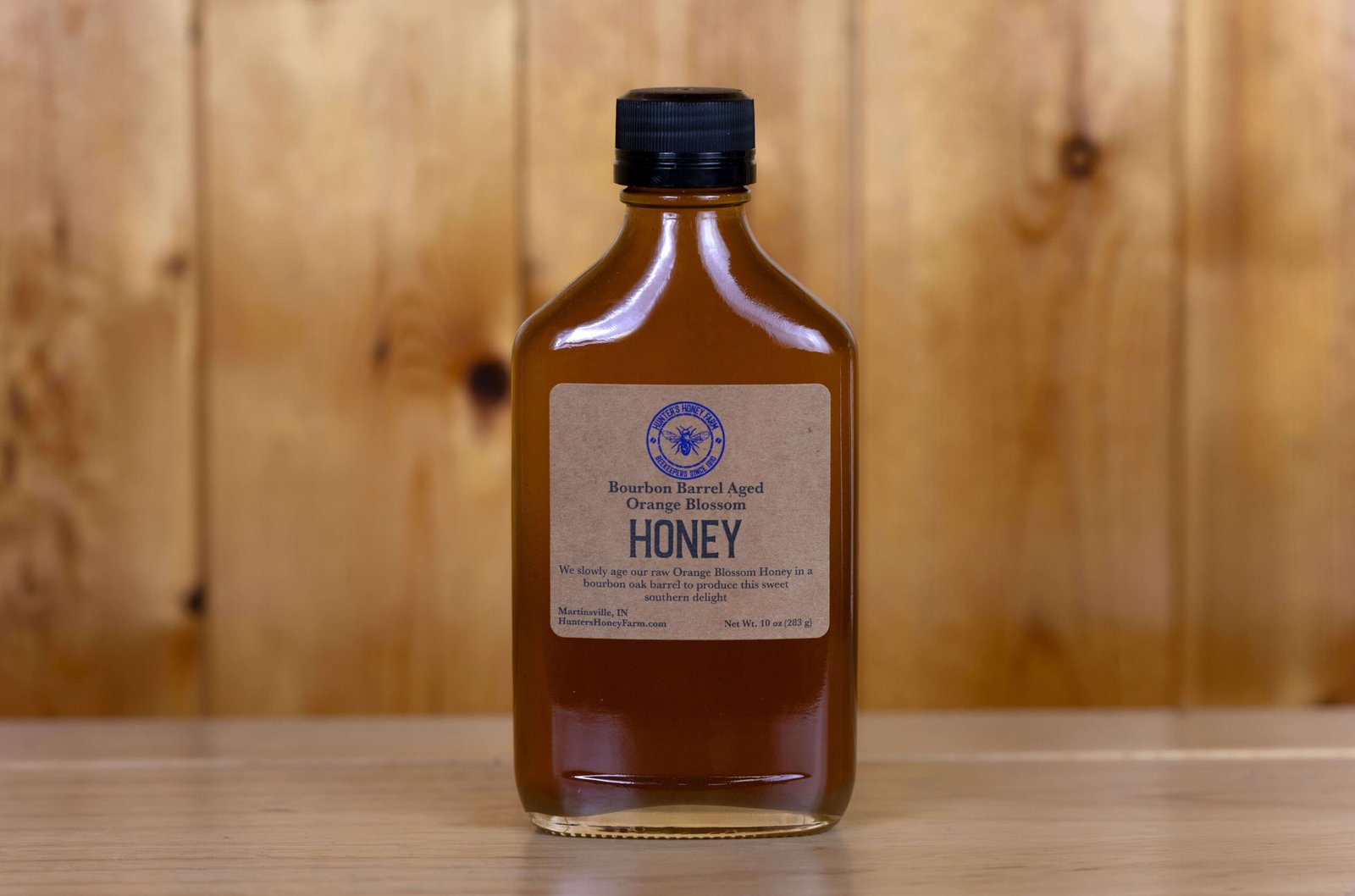
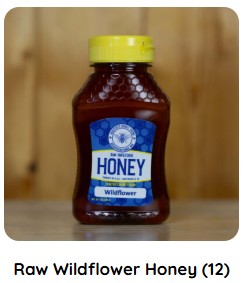
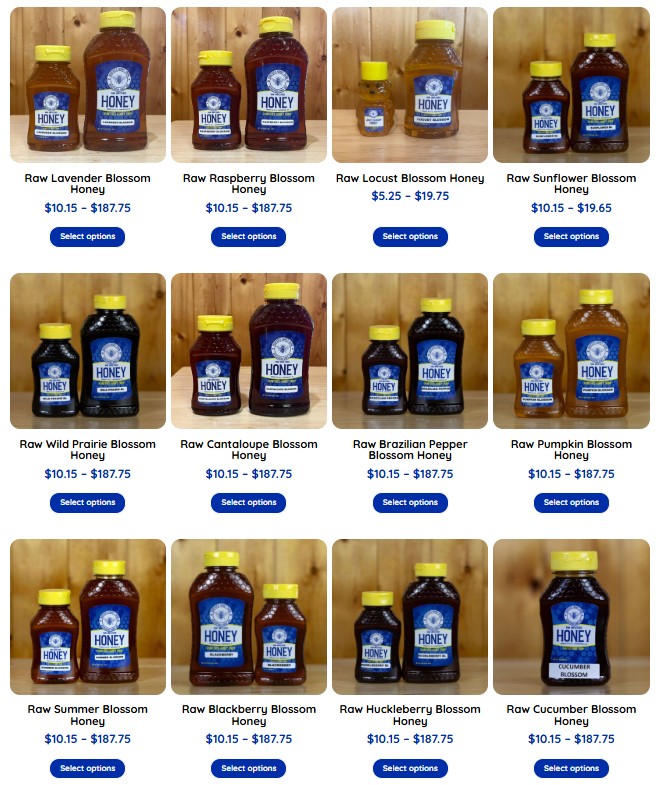
The flowers and plants available to bees can influence the color, aroma, flavor and characteristics of the honey they produce. That’s why you’ll see honey identified by floral sources such as clover, orange blossom and wildflower. This isn’t simply marketing terminology.
For example, FDA guidance states:
“A honey may be labeled with the name of the plant or blossom provided that the particular plant or blossom is the chief floral source of the honey.”
Read the FDA Guidance on Honey Floral Sources
This is one of the things that makes exploring honey so interesting. Different harvests, regions and floral sources can produce noticeably different experiences.
Explore Honey Varieties from Hunter’s Honey Farm
According to International Journal of Food Science and Nutrition, “Honey is one of the most appreciated and valued natural products introduced to humankind since ancient times. Honey is used not only as a nutritional product but also in health described in traditional medicine and as an alternative treatment for clinical conditions ranging from wound healing to cancer treatment.”
Researchers have identified compounds including phenolic acids, flavonoids and other naturally occurring substances in honey and have studied how these contribute to its antioxidant activity.
We think that’s another reason honey should be appreciated as an agricultural product rather than something expected to look and taste exactly the same every time.
No. Natural honey can vary in appearance, color and consistency. One batch may be lighter or darker than another. One floral source may produce a mild flavor while another creates something richer or more distinctive.
And then there’s something that surprises many first-time raw honey buyers:
Crystallization is a normal characteristic of honey and does not mean the honey has spoiled. In raw and unfiltered honey, this natural process may be especially noticeable because the honey has undergone minimal processing.
Honey is one of those foods where knowing the producer can make a real difference.
The FDA has investigated economically motivated adulteration of imported honey, including products containing undeclared sweeteners.
During one FDA sampling assignment, the agency tested 144 samples of imported honey from 32 countries and found 14 samples, or approximately 10%, to be violative.
The agency explained that economically motivated adulteration can include substituting or adding less expensive ingredients to make a product appear to be something it isn’t.
Read the FDA’s Report on Honey Adulteration
That doesn’t mean imported honey is inherently bad or that every grocery-store product should be viewed suspiciously. It does demonstrate why traceability and transparency matter.
When you purchase honey directly from a beekeeper or established honey farm, you have the opportunity to know more about the people, practices and story behind what’s inside the jar.
If you’re shopping for raw honey, don’t base your decision solely on whether the honey looks perfectly clear. Look at where honey comes from, who produced it, how it was handled, what variety it is or if it’s even actually honey,
For us, honey isn’t a trend. It’s a family tradition.
Hunter’s Honey Farm has been producing honey in Martinsville, Indiana, for generations, giving customers an opportunity to buy honey while knowing the family and farm behind the jar.
Whether you’re searching for raw honey for your pantry, looking for a unique gift, exploring different varieties or simply trying to buy more of your food directly from producers, we invite you to discover what makes real honey so fascinating.
Shop Raw Honey from Hunter’s Honey Farm
And if you enjoy discovering new varieties and flavors throughout the year, explore the:
Hunter’s Honey Farm Honey of the Month Club
Because when it comes to honey, sometimes the best way to understand the difference is simply to taste it.
U.S. Food & Drug Administration
National Institutes of Health / PubMed Central
Chemical Extraction and Gastrointestinal Digestion of Honey: Influence on Its Antioxidant, Antimicrobial and Anti-Inflammatory Activities
U.S. Food & Drug Administration
FDA Releases Data on Economic Adulteration in Honey